Middle East Gas Industry Requires More Than $200 Billion Investment by 2030 to Ensure Energy Security
The Middle East’s natural gas sector will require investments exceeding $200 billion by 2030 to expand production capacity, strengthen regional energy security and protect critical infrastructure against potential disruptions, according to leading energy industry executives. The investment is expected to support the development of domestic gas resources, establish stronger cross-border connections and create alternative export routes to ensure uninterrupted supplies amid growing geopolitical and economic uncertainties.
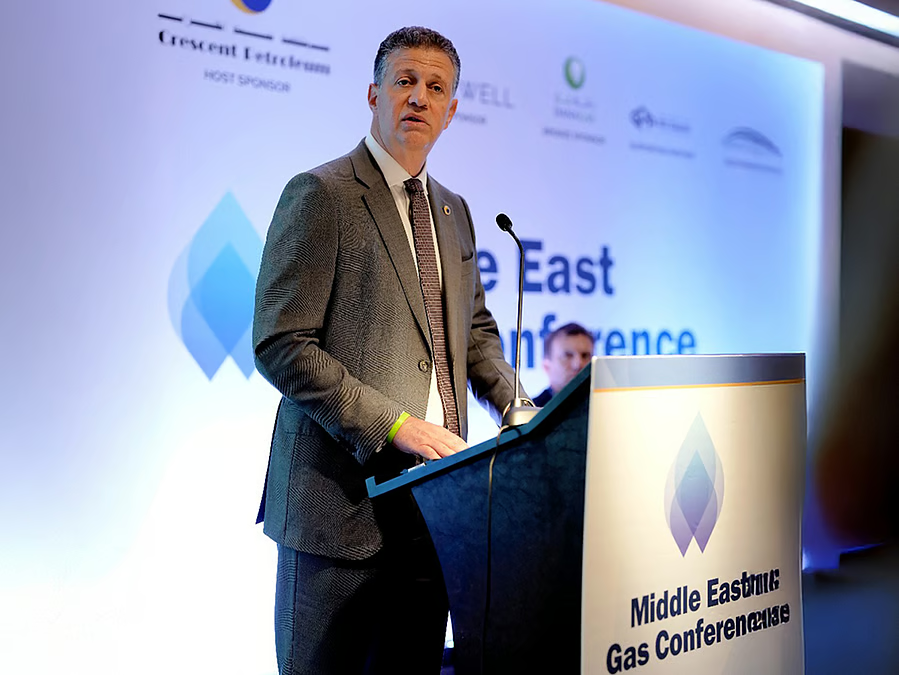
Speaking at the second Middle East Gas Conference held in Dubai, Majid Jafar, Chief Executive Officer of Crescent Petroleum and Board Managing Director of Dana Gas, highlighted the importance of building a more resilient gas industry. He noted that the Middle East possesses approximately 40 per cent of the world’s proven natural gas reserves, making the region a crucial contributor to global energy supplies. However, he stressed that possessing substantial reserves alone would not guarantee energy security without sufficient investment in production facilities, transportation networks and storage infrastructure.
A significant portion of the proposed investment will be directed towards developing new gas fields, expanding cross-border pipeline networks and increasing export capacity through routes that offer alternatives to the Strait of Hormuz. Industry leaders emphasised that diversifying transportation and export infrastructure is particularly important given the possibility of geopolitical tensions, security incidents and disruptions to major shipping routes. Additional storage facilities will also be necessary to maintain supplies during emergencies and ensure that consumers and industries continue receiving gas even when conventional transportation routes are affected.
More than 150 senior policymakers, energy executives, investors and infrastructure developers attended the conference, representing major organisations including ADNOC Gas, XRG, Dana Gas, Bapco Energies and the International Energy Forum. Financial institutions and infrastructure investment specialists, including KKR and Aberdeen Investcorp Infrastructure Partners, also participated in discussions covering investment opportunities, financing arrangements and regional energy cooperation.
Participants highlighted the need for governments to introduce attractive investment conditions that encourage companies to undertake gas exploration and production projects. They also called for stronger cooperation between producing and consuming countries to develop interconnected pipeline systems. Such networks would provide producers with access to multiple markets while allowing importing countries to diversify their sources of supply, reducing dependence on individual suppliers and transportation corridors.
The growing investment interest in the region is already reflected in major financing activities. Crescent Petroleum and Dana Gas have invested more than $4 billion in natural gas developments in Iraq’s Kurdistan Region, representing one of the largest private-sector investments in the country’s gas industry. In another indication of investor confidence, Pearl Petroleum recently raised $500 million through a bond issuance that attracted subscriptions approximately 1.7 times the amount offered. The five-year secured bond carries an annual interest rate of 10.375 per cent and is scheduled to mature in November 2031.
The discussions also highlighted the importance of protecting energy infrastructure against emerging security threats. Recent incidents affecting gas facilities in the region have reinforced the need for stronger physical protection, improved emergency response arrangements and investment in infrastructure capable of maintaining operations during periods of instability. Ensuring the security of production facilities, pipelines, processing plants and export terminals will be essential to maintaining reliable supplies.
The proposed investment programme represents a major opportunity for the Middle East to strengthen its position in the international natural gas market. With electricity consumption, industrial activity and demand for reliable energy continuing to increase, natural gas is expected to remain an important component of the region’s energy mix. Developing additional production capacity and modern infrastructure will also help countries support economic diversification, industrial expansion and the development of emerging industries that require dependable electricity supplies.
Industry leaders concluded that closer partnerships between governments, energy companies and international investors will be essential to achieving these objectives. The investment required by 2030 is not simply intended to increase gas production but also to establish a connected, secure and dependable regional energy network capable of withstanding future disruptions while supporting long-term economic growth.
The central message from the conference was that the Middle East must invest not only in producing more natural gas but also in ensuring that it can be transported, stored and delivered reliably under changing geopolitical and market conditions.


Post Comment